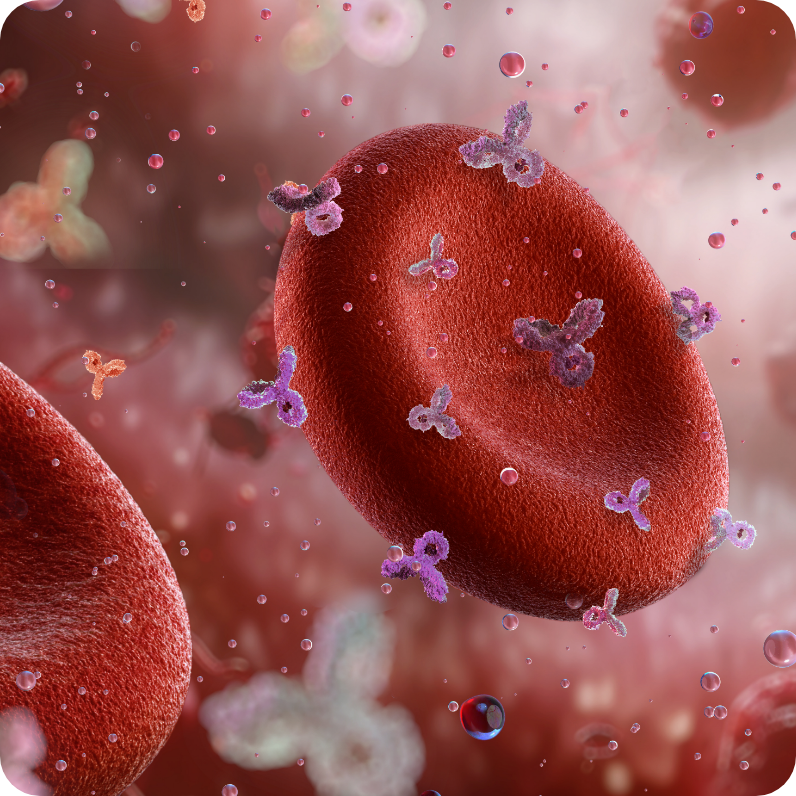
Q: What is Rh incompatibility?
A: Rh incompatibility occurs when an Rh-negative mother carries an Rh-positive fetus1
- Approximately 15% of women are Rh-negative2; for more information about Rh factor, read Rh Factor Explained
- Rh sensitization can occur if Rh-positive fetal red blood cells mix with the mother’s Rh-negative blood; for more information on Rh sensitization, read the Rh Sensitization FAQs
Q: What are the risks associated with Rh incompatibility?
A: If sensitization occurs during an Rh-incompatible pregnancy, the mother’s immune system may produce anti-D antibodies
- These antibodies don’t typically affect the first baby because the body hasn’t yet had time to mount an immune response strong enough to impact the current pregnancy3
- But once the mother is sensitized, future Rh-positive babies are at risk for developing hemolytic disease of the fetus and newborn (HDFN)4
- Clinical manifestations of HDFN include2:
- Congestive heart failure
- Hemolytic anemia
- Spleen and liver enlargement
- Severe edema
- Jaundice
- Brain damage
- Fetal death
Q: Should all Rh-negative mothers get RhoGAM?
A: For Rh-negative mothers with an Rh incompatible pregnancy, RhoGAM is a critical prophylactic measure5
- RhoGAM is routinely administered at 26 to 28 weeks’ gestation and again postpartum if the newborn is Rh-positive6
- RhoGAM is not indicated once an Rh-negative mother has developed anti-D antibodies, because it is preventive rather than therapeutic1,6; routine dosing schedules and special administration considerations can be found in the RhoGAM Dosing and Administration Guide.
Appropriate RhoGAM administration during pregnancy and postpartum has been shown to reduce Rh immunization rates to < 0.1%.3 Emphasizing the routine use of RhoGAM and its established safety profile can help reduce patient anxiety. With appropriate screening and timely administration of RhoGAM, Rh sensitization and HDFN can often be prevented, helping support healthier pregnancy outcomes for Rh-negative mothers and their babies.