
Read About the Heroes of RhoGAM
Order “Good Blood” by Julian Guthrie to learn about the story of how RhoGAM was invented.
Book


Plasma for RhoGAM is collected from dedicated KEDPLASMA centers before being manufactured. Every step of the production process for RhoGAM is owned by Kedrion Biopharma and takes place in the U.S.1,2
RhoGAM is made from human plasma. Products made from human blood may carry a risk of transmitting infectious agents (eg, viruses, the variant Creutzfeldt-Jakob disease [vCJD] and, theoretically, the Creutzfeldt-Jakob disease [CJD] agent)1
The human plasma that makes up RhoGAM undergoes a rigorous safety protocol, including donor selection and fractionation processes, a viral filtration step, and a viral inactivation process.1
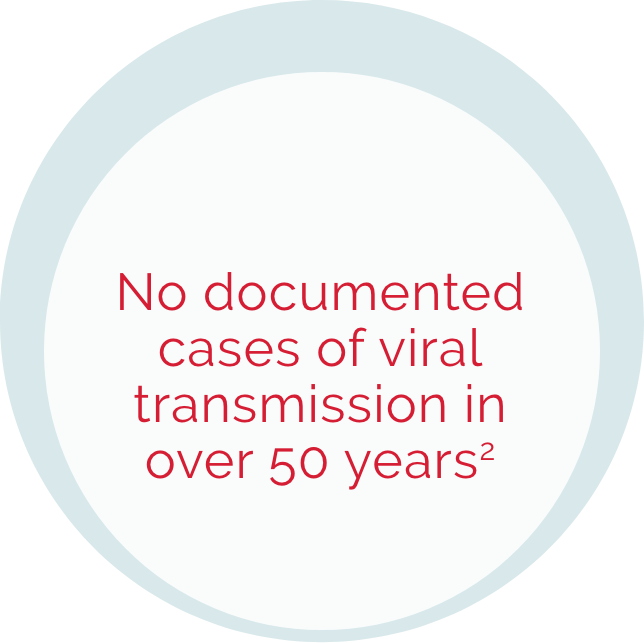
Plasma safety and COVID-19
COVID-19 is a highly contagious coronavirus infection spread by respiratory droplets. It is caused by SARS-CoV-2, a single-strand enveloped RNA virus.3
The viral filtration and viral inactivation processes remove and inactivate enveloped viruses similar to COVID-19.1
Steps to ensure plasma safety1
 All donors are screened via medical history and laboratory testing for blood-borne pathogens.Only plasma that has passed this screening is used for production. Each donation is screened for: Hepatitis B surface antigen (HBsAg) | Hepatitis C antibodies (HCV) | Human immunodeficiency virus (HIV) 1 and 2.Nucleic acid testing (NAT) is used to detect: Hepatitis B virus (HBV) | Hepatitis C virus (HCV) | HIV 1, Parvovirus B19.Plasma then undergoes fractionation via a modification of the cold alcohol procedure.Next, viral filtration and viral inactivation steps are performed to remove enveloped and non-enveloped viruses.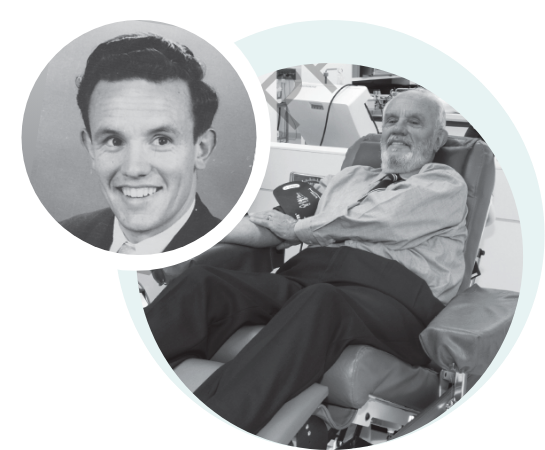
The RhoGAM story began with one generous donor
James Harrison was known as the “man with the golden arm.” When his Rh antibodies were discovered by the team of scientists searching for the answer to Rh disease, he became the first plasma donor. Over his lifetime, he generously gave over 1,000 donations, a gift that has impacted more than 2.4 million babies.4
RhoGAM owes its life-saving impact to the generosity of plasma donors. Discover more about their crucial contributions.
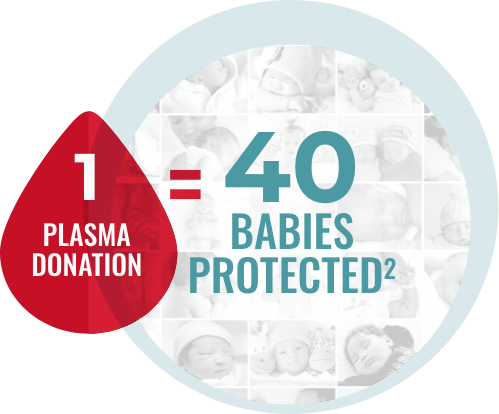
Today, that spirit of generosity still lives on through donors for Kedrion.
RhoGAM is made with human plasma provided by generous donors. Plasma is collected at designated KEDPLASMA facilities. Once accepted in the program after careful screening, donors can make up to 8 donations a month.1,2
Watch to catch a glimpse of life at Somerset Laboratory, one of RhoGAM’s plasma collection centers.
Read About the Heroes of RhoGAM
Order “Good Blood” by Julian Guthrie to learn about the story of how RhoGAM was invented.
Book
Learn about global education initiatives
WIRhE is a non-profit organization dedicated to eliminating Rh disease worldwide.
Learn More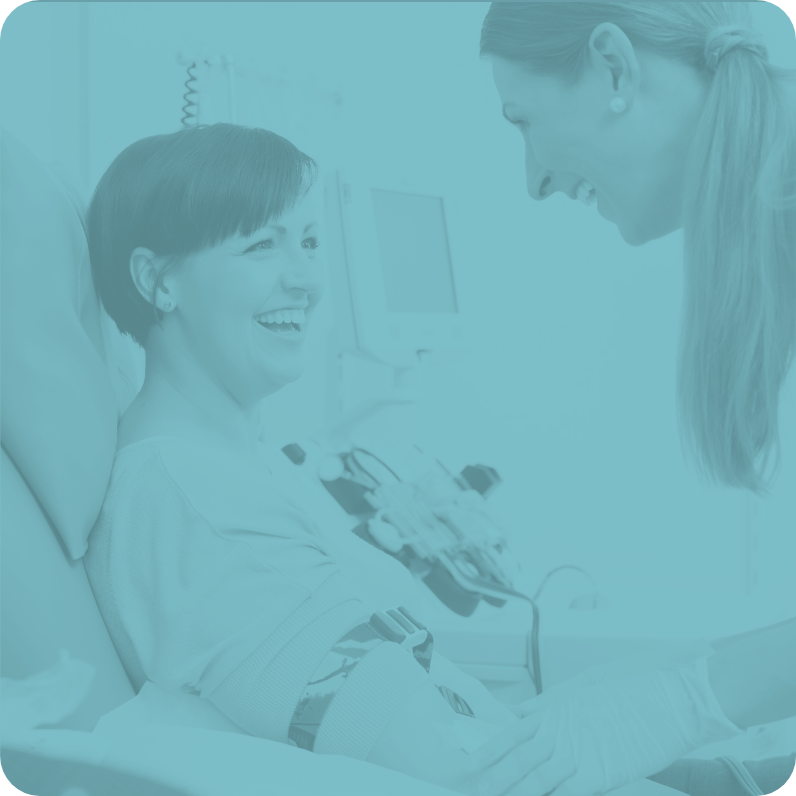
Interested in becoming a donor?
If you or someone you know is Rh-negative, see how you could help others by becoming an anti-D donor.
Learn MoreYou are encouraged to report negative side effects of prescription drugs to the FDA. Visit www.fda.gov/medwatch or call 1-800-FDA-1088.
Please click here for full Prescribing Information.
This site is intended for residents of the US only.